During the build up to and the execution scene the filmmakers have used flashbacks to the night of the murder, to show the different ways he was trying to show he didn't kill anyone. The use of these flashbacks builds up emotional responses within the spectators of the film, through the use of the flashbacks the audience may begin to feel sympathy, pity and empathy, through the use of the flash backs during the execution scene the audience may show anger towards the main male character as throughout the entirety of the film they have built an emotional relationship up with what they thought was an innocent man, however the flashbacks show they have been manipulated to build a relationship upon a lie. However, due to this manipulation this changes the emotional response of the spectator to change from pity and sympathy to approval and joy to show that the murderer has been given a sentence he rightfully deserves. The spectators may also feel a slight sense of confusion and maybe anger due to the fact that the 'leader' of the murder has been sentenced to life imprisonment due to him having the better eternity as he could afford more than the other.
During the execution scene the filmmakers have used mise-en-scene to show through the way he is strapped to the bed in the same way Jesus was nailed to the cross, this shows that now he has admitted to the murder, God will allow him to be free. Due to this use of mise-en-scene the spectators may feel cheated by the emotions they have just experienced, this is because within the space of around 8 minutes they have been subjected to the emotions of sympathy, anger, approval and confusion, for the criminal to be then shown to them in a representation of Jesus to show he has been forgiven, this may make the audience feel some gratitude towards the film makers choices as the decision to kill and forgive the main male character was made for them.
Give three specific reasons and examples why different people consuming one of the films could have different emotional responses.
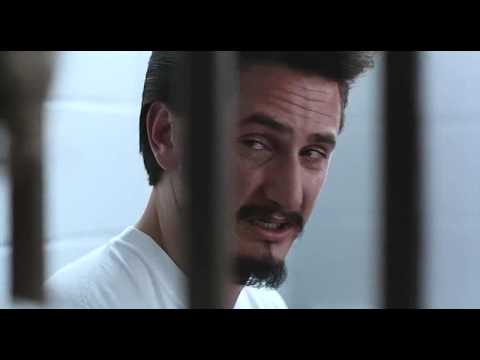
One reason people may have different emotional responses to the film Dead Man Walking could may be due to their religious beliefs, this is because during the film the Sister (Susan Saradon) helps Matthew Poncelet (Sean Penn) to reconcile and come to terms with what he has done. This may make those of the spectators with religious beliefs feel forgiveness towards Poncelet as they now know he has been reconciled with God and will go to Heaven. However, those spectators with religious beliefs may feel that he should not have died in that manner as they would feel that although God may have forgiven him for what he had done, they believe that God is the only person who can take life away as he is our creator, and they may feel this artificial method of killing Poncelet is interfering with God plan for him.
Another reason people may have different emotional responses to the film Dead Man Walking may be due to their personal opinion on the death penalty. This is because many people may feel outraged due to the use of the death penalty in the film as they feel that it is an inhumane way to die. People with this view may have the emotional response throughout the film of anger, as even though he did commit the crime he still should be treated as a human being and not an animal, these people may agree with the protest that happens outside the prison whilst a death is taking place.
 Also, a reason people may have different emotional responses to the film Dead Man Walking is due to the amount of emotions they are subjected to throughout the film. Many spectators when watching this film cannot work out which emotions they feel because they have been suspect to about 5 different emotions during the film. Throughout the film as a spectator you build an emotional relationship with the character of Matthew Poncelet as you share his journey on death row, at the beginning you may feel surprised about his attitude towards the sister, however as the film progresses you begin to feel sympathy, pity or even rage and confusion as he says he has not committed the crime and the person who did has been only given a life sentence in prison. However, when you reach the end of the film Poncelet admits to the crime and due to this you may feel anger as you have been manipulated the entire way through the film to believe this man is innocent and should not be on death row, due to this anger you may feel as if the verdict is right and he should be sentenced to death. However, these feelings may all change again during the execution scene of the film where he reconciles with God and asks for forgiveness from both the families, this ends the film with the spectators feeling confused about whether they should be glad/thankful that he died or whether you should feel forgiveness and sympathy towards Poncelet because although he did commit the crime he was under instruction from the 'leader' who only got life imprisonment due the the high caliber of his legal consultant in comparison to Pocelet's.